


How to Train Your Mind: The Science of Meditation in a World Built to Distract You
"The world within creates the world without." — Charles F. Haanel, The Master Key System

Your mind is the most expensive piece of hardware you own, and most people abuse it like a rental. They let notifications hijack it, doom scrolls fragment it, and stress corrode it until they wonder why they cannot focus, sleep, or feel anything close to calm. Meditation is the upgrade. It's structured neurological training that refines attention, stabilizes your internal state, and builds control at the level where thought begins.
It's more than relaxation. It's a medicine for your mind that rewires, restores, and recharges. In a world wired to pull you in a hundred directions, meditation is the scientific anchor for clarity and resilience. It clears away the daily information overload that drives cortisol, fatigue, and emotional reactivity, leaving room for sharper thinking and steadier mood.
The focus, calm, and balance you want are not far off goals. They are daily habits you can measure in neural scans and cognitive tests. They compound over years of consistent practice into a mind that performs under any pressure.
Meditation transforms biology at every level, from gene expression to neural architecture. Here is how it reshapes your mind, your body, and the trajectory of your life.
Science Meets Silence
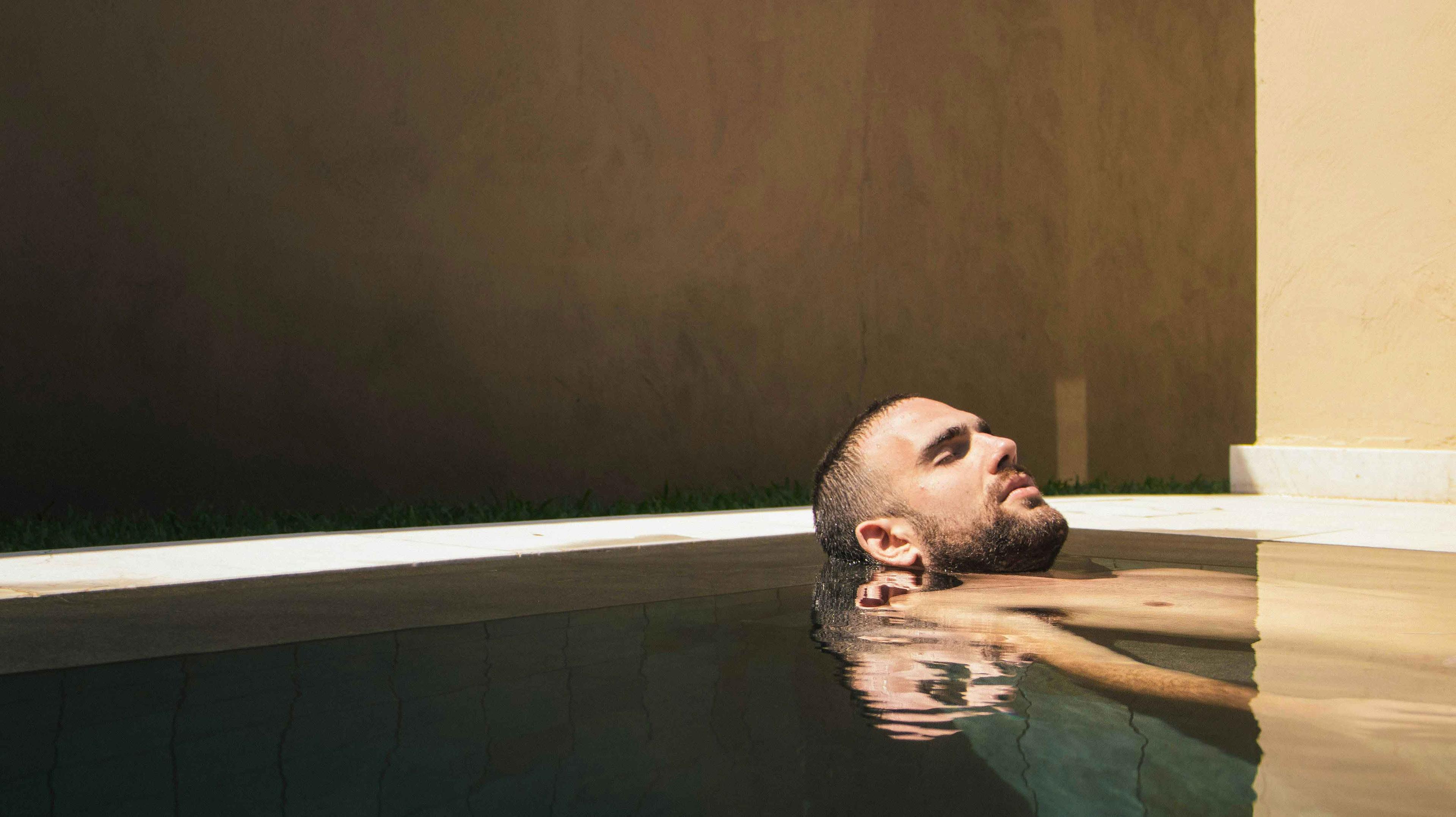
The evidence has gone from "interesting" to "impossible to ignore." Recent meta-analyses and randomized controlled trials are stacking up the proof: meditation moves cognition, mood, and physical health in ways that are remarkably consistent across populations.
A 2025 systematic review of 25 randomized controlled trials with over 2,000 older adults dealing with subjective cognitive decline or mild cognitive impairment found that meditation significantly improved global cognition, sleep quality, and overall well-being compared to standard care.¹ Translation: people whose minds were already slipping got measurably sharper.
Brain scans show that the mind behaves differently after consistent training, with changes that show up across multiple imaging methods.² Long-term meditators preserve, and often grow, volume in the hippocampus, prefrontal cortex, and insula, all areas that wither with age.³ The Default Mode Network, the brain's chatterbox that runs the rumination and 3 a.m. spiral loops, gets quieter. Attention networks get stronger. Emotional regulation circuits get more responsive.
Practicing meditation also lowers stress hormone reactivity, calms the sympathetic nervous system, increases parasympathetic tone, reduces inflammation, and modulates biomarkers tied to aging and high blood pressure. The receipts are in.
The Brain on Meditation

This is where meditation graduates from wellness ritual to actual performance medicine. The results show up in the kind of objective measures that do not lie: cognition tests, stress hormones, inflammatory markers.
Sharper attention and working memory. Even a few minutes of daily meditation improves performance on tasks demanding rapid reaction, attentional control, or distraction resistance. EEG studies show enhanced neural efficiency after a single short session, which translates into more focus, less mental friction, and a brain that allocates its resources like a pro.⁶
Better sleep, mood, and overall health. Regular meditation reduces insomnia, improves sleep, and enhances well-being, with effects that spill over into blood pressure, immune function, and inflammatory load.
Resilience to age-related memory loss. Cognitive decline slows in adults who meditate consistently, even those already showing early signs of impairment. The discipline regulates neuroinflammation, promotes neuroplasticity, and protects the cortical structure of the memory centers responsible for long-term recall.³
Stress regulation and emotional balance. Meditation sharpens your ability to recover from psychological stress. Heart rate variability climbs, cortisol drops, and both stabilize over weeks of consistent training.
At the molecular level, meditation stimulates neurogenesis and synaptic plasticity, boosting brain-derived neurotrophic factor (BDNF), the molecule that supports new neurons and reinforces existing circuits. On the genetic level, stress and inflammatory genes go quiet while resilience and cellular repair genes light up. The discipline literally rewrites how your biology responds to challenge.
The end result is a reduction in allostatic load, the cumulative wear and tear that chronic stress grinds into your body. Lower cortisol, less inflammation, better energy efficiency. Your mind gets to spend its bandwidth on the higher-order stuff, things like focus, memory, and solving the actual problems in front of you.
What the Brain Scans Reveal
The fusion of meditation with modern neuroscience is rewriting what is possible.
Eight weeks. Visible change. You do not need a decade on a cushion to see results. Two months of daily meditation, just 10 to 20 minutes a day, thickens the gray matter in your memory and learning centers. The same window improves attention span, working memory, and sleep quality. Consistency beats duration every time.
Style is the prescription. Not all meditation is alike, and the style you choose dictates the outcome. Focused attention meditation builds laser concentration and slashes error rates on tasks demanding sustained vigilance. Open monitoring meditation drops amygdala reactivity, the brain's threat alarm, by up to 22 percent. Visualization meditation, the secret weapon of Olympic athletes and Navy SEALs, fires the same neural circuits as physical rehearsal. Walking through a performance in your head measurably improves the actual performance of it. Visualizing a familiar place to anchor memory recall has its own name, the Memory Palace technique, used by everyone from fictional detectives to actual world memory champions.
The next leap is here. Pairing meditation with neurofeedback can accelerate attentional control by up to 30 to 40 percent in preliminary trials.⁴ What used to take years of solo training is being compressed into months, with technology amplifying every session.
The verdict from the lab is unambiguous. Meditation is one of the most powerful tools we have for cognitive performance and long-term mental health, and the science is only getting bigger.
Mental Power Is Built, Not Born

Meditation is not about quieting the mind for the sake of quiet. It is about forging a mind that holds steady when everything else is in chaos. Every session is a rep. Every rep builds the version of you that performs when it matters.
Three capacities get measurably stronger with consistent training:
Laser focus in a world built to fragment it. Just 10 to 15 minutes a day for an eight-week stretch sharpens sustained attention and shuts down the mental drift that costs you hours every week. The payoff shows up everywhere: deeper work, sharper conversations, faster decisions.
Composure that holds under fire. Regular meditation drops cortisol by 20 to 25 percent in controlled trials and lifts heart rate variability, the gold-standard marker of stress resilience. It outperforms or matches many clinical tools for anxiety and depression, with none of the side effects. This is nervous system control you can train into yourself.
A mind that bounces back faster, thinks clearer, and adapts on the fly. Long-term meditators show up to 5 to 10 percent more gray matter in key cognitive regions tied to memory and problem-solving.⁵ That extra real estate compounds into improves performance at work, in the gym, and in every room you walk into.
These daily reps compound. Month after month, year after year, they build cognitive and emotional power that nobody can take from you. This is mental discipline you train into yourself, one session at a time.
The Lost Art of Visualization
Before there was a meditation app on every phone, before the word "biohacker" existed, a Missouri businessman named Charles Haanel quietly published a 24-week course called The Master Key System.⁷ The year was 1912. The book sold for what would be $1,500 in today's dollars. It taught one thing above all else: the disciplined use of mental imagery to shape outcomes in the real world.
Terry Crews rereads it once a month. The book has quietly influenced generations of high performers, from early-twentieth-century industrialists to modern athletes and entrepreneurs. The science of the past two decades has now confirmed what Haanel laid out a century ago. Visualization is not magical thinking. It is one of the most measurable, repeatable forms of mental training ever documented.
Your Brain Cannot Tell the Difference
Here is the part that breaks most people's understanding of how the mind works. When you vividly imagine performing an action, your brain fires the same neural circuits it would fire if you were actually doing it. MRI studies show identical activation patterns in the motor cortex whether a pianist is playing a sonata or sitting in a chair imagining it. Whether a sprinter is running the 100-meter or rehearsing it in his head the night before. The brain does not draw a hard line between rehearsal and reality.
This is why visualization works. The brain treats vivid mental rehearsal as real experience and adapts accordingly. Strength gains, skill acquisition, confidence, recovery from injury. Studies have shown visualization can produce strength and skill gains in the range of 13 to 35 percent of what physical training delivers.
Olympic athletes have used visualization for decades, mentally rehearsing every stroke, every gate, every dive before they ever touch the water or snow. Pro golfers visualize every shot before they swing. The Navy SEALs build it into BUD/S training. Surgeons rehearse complex procedures mentally before they cut. The pattern is universal. The elite do not just train the body. They train the rehearsal of it.
The Original Biohack

The Master Key System is not woo. It is structured mental training delivered in 24 weekly lessons, each with a specific exercise that builds on the one before it. The progression looks something like this:
Week 1: Stillness. Sit in a chair. Hold your body completely still for 15 minutes. Sounds easy. It is not. Most people cannot make it five. The exercise builds the foundation for everything that follows: the ability to direct your physical state on command.
Week 2: Thought inhibition. Same posture. Now refuse to let any thought enter the mind. Block them at the door. Most people last seconds. With training, you can extend it to minutes. This is the raw material of attentional control.
Week 3: Single-pointed focus. Choose one object: a pencil, a flower, a coin. Hold it in your mind's eye with perfect detail. Color, weight, texture, shadow. Refuse to let the image waver. This is concentration trained the way an Olympic lifter trains a max squat.
Weeks 4 through 8: Constructive imagination. Build complex mental images from memory. A familiar room. A friend's face. A walk you took as a child. Hold the image with increasing fidelity until you can manipulate it at will, rotating objects, changing colors, adding detail.
Weeks 9 through 24: Directed visualization. This is where the real work happens. You begin holding mental images of specific outcomes you want to manifest. A goal achieved. A skill mastered. A version of yourself you have not yet become. You hold the image with feeling, not as a wish but as a present reality.
Haanel's claim was simple. The image, held with enough clarity and consistency, restructures both the subconscious mind and the unconscious patterns of behavior that drive daily action. Modern neuroscience describes the same thing using different vocabulary: neuroplasticity, mental rehearsal, predictive processing, the brain's tendency to seek out evidence that confirms its dominant internal models.
How to Build a Visualization Session That Actually Works

The science is clear on what makes visualization stick and what makes it useless. Daydreaming about a Lambo is not visualization. It is fantasy. Real visualization has structure, and the structure looks like this:
Anchor in the body first. Sit upright. Close your eyes. Take five slow breaths through the nose. Lower the heart rate before you ever begin imagining. The relaxed, focused state is what makes the imagery durable.
Engage every sense. Sight is not enough. If you are visualizing crossing a finish line, hear the crowd, feel the burn in your legs, taste the salt on your lip, smell the rubberized track, see the clock as you cross. The more sensory data you load in, the more the brain treats the rehearsal as real.
Rehearse the process, not just the outcome. Studies show that visualizing the steps to a goal outperforms visualizing the goal itself. See yourself doing the work, not just standing on the podium.
Add emotion. The neural changes from visualization are stronger when paired with the emotional state the real outcome would produce. Pride, calm, satisfaction, joy. Feel it in the body during the session.
Repeat daily. Five to fifteen minutes a day. Same time, same place. Like any other form of training, the gains come from frequency, not from one heroic session.
The Stack: Meditation, Visualization, and a Quiet Morning
Visualization is not separate from meditation. It is one of the most powerful styles of meditation that exists, and it stacks beautifully with everything else in this article. The protocol that produces the sharpest, most focused, most resilient version of you looks like this:
-
Wake without a screen
-
Hydrate, light, gentle movement
-
Ten minutes of focused attention or open monitoring meditation to settle the nervous system
-
Five to fifteen minutes of structured visualization on the day ahead, the year ahead, or the life ahead
-
One written intention before you touch a phone
That is the full protocol. Haanel would recognize it. So would every Special Forces operator who has ever trained for a mission they could not afford to fail.
The mind is not a passive organ. It is a tool that can be sharpened, directed, and rebuilt through deliberate use. Meditation quiets it. Visualization aims it. Together they are the closest thing to a cheat code that human biology offers.
The Slow Morning Ritual: Why Your First Hour Matters Most

The first hour after you wake is the most cognitively powerful window of your day. Cortisol is naturally rising, the prefrontal cortex is coming online, and the choices you make in those first sixty minutes set the tone for everything that follows. Most people surrender that window to a screen. The phone alarm goes off, and within seconds the eyes are scanning email, social feeds, news headlines, and notifications that flood the nervous system with stress before the body has even left the bed.
That single habit hijacks your morning. Bright blue light at close range suppresses the natural rise in alertness your body is trying to build on its own. Information overload from social feeds spikes cortisol and shifts the brain into reactive mode. The mind starts the day already chasing other people's priorities instead of setting its own. By the time most people sit down to work, they have already burned through the calm, focused state they could have started with.
A slow morning ritual reverses all of it. It is one of the highest-leverage habits in performance medicine, and it costs nothing.
The Science of a Screen-Free Morning
Research suggests that screen exposure within the first thirty minutes of waking elevates cortisol, increases reported anxiety throughout the day, and disrupts the delicate hormonal cascade that helps the body transition from sleep into alert wakefulness. The morning cortisol awakening response is supposed to peak naturally about thirty to forty-five minutes after you open your eyes. When you reach for a phone, you stack artificial stress on top of that natural rise, which leaves cortisol elevated for hours longer than it should be.
A slow, screen-free morning does the opposite. It lets cortisol rise, peak, and begin its natural decline on schedule. It gives the parasympathetic nervous system time to settle into a balanced baseline. It protects the present moment awareness that meditation builds, instead of fragmenting it across a dozen apps before breakfast.
Studies on morning routines consistently show that people who delay screen contact for at least sixty minutes after waking report lower stress, better focus, and a greater sense of control over their day. The same research links screen-free mornings to improved sleep quality the following night, because the nervous system is not running on residual stress from the moment it opened its eyes.
Building Your Slow Morning Ritual
A slow morning ritual is not about adding more to your plate. It is about removing the input that drains you and replacing it with habits that build clarity, calm, and focus. Here is a framework that works for most people:
Wake without a phone in the room. This is the single most important change. A traditional alarm clock costs ten dollars and removes the temptation entirely. If your phone has to be in the room for safety reasons, leave it across the room and face down.
Hydrate first. Drink a full glass of water before anything else. The body is mildly dehydrated after a night of sleep, and rehydration jumpstarts metabolism and supports healthy blood vessels and circulation to the mind.
Get morning light on your face. Step outside, open a window, or sit by the brightest natural light you have for at least five minutes. Morning sunlight signals the brain to anchor your circadian rhythm, which helps you fall asleep faster that night and feel more alert during the day.
Move your body gently. Five to ten minutes of light stretching, a short walk, or slow yoga moves stagnant blood, lubricates joints, and signals the nervous system that the day has begun. This is not a workout. It is a wake-up.
Sit for a meditation session. Ten to twenty minutes of meditation, mindfulness meditation, or breath-focused work anchors the nervous system in a calm, focused state. This is the cornerstone of the ritual. Even a few minutes of focused breathing trains the mind to start the day in present moment awareness instead of reactive scrolling.
Set one intention. Before any external input, ask yourself one question: what is the most important thing I want to do today? Write it down on paper. This single act of mental discipline shifts you from reactive to intentional before the world starts pulling at you.
Eat or drink something nourishing. Whether it is a full breakfast, a smoothie, or just coffee with intention, give the body fuel before the demands of the day begin.
Then, and only then, look at a screen. Aim for sixty minutes between waking and your first screen contact. Ninety minutes is even better. The world will still be there when you arrive.
What Changes When You Protect the First Hour
Meditation works even better when paired with a slow morning ritual, because the mind is already primed for it instead of fragmented by inputs. This is how to train your mind for the demands of a modern day. People who adopt a screen-free morning routine consistently report:
-
Sharper focus that lasts deeper into the workday
-
Lower baseline anxiety, even on high-pressure days
-
Better mood and emotional regulation in conversations
-
Greater sense of agency and control over the day
-
Improved sleep quality the following night
-
More creative thinking and problem-solving capacity
-
A deeper connection to personal experiences and what actually matters
The first hour is the foundation that every other hour is built on. Protect it ruthlessly, and the rest of the day rises to meet it.
Reach a Flow State

Meditation is one of the most reliable ways to enter a flow state, the experience of being fully immersed in what you are doing with sharp focus, immediate feedback, and time falling away.⁵ Mindfulness meditation trains the exact attention skills that flow state requires, and athletes, writers, and surgeons rely on these methods to access flow state during high-stakes performance.
To reach a flow state on demand, combine these elements:
-
A clear goal for the task at hand
-
Immediate feedback as you work, so you can adjust in real time
-
A balance between challenge and your current cognitive skills
-
A short meditation session beforehand to clear mental noise
-
Slow, controlled breathing to settle the nervous system into a calm focus
The more you build your meditation routine, the easier it becomes to drop into a flow state in your daily life, whether you are at your desk, in the gym, or working through a creative project.
Medicine Without a Prescription: How to Reduce Stress
Meditation is foundational performance medicine. It enhances cognition, strengthens resilience, improves emotional balance, and lowers systemic stress through pathways that show up in blood markers, neural scans, and behavior. No co-pay. No side effects. No pharmacy required.
The discipline supports your best self across every domain of life. Research from behavioral medicine even shows positive results for chronic pain, high blood pressure, irritable bowel syndrome, and other health conditions where stress drives symptoms. Meditation programs help people manage symptoms across a wide range of physical and psychological challenges, often with fewer side effects than other treatments. It can reduce pain perception, lower psychological stress, and bring a deeper sense of inner peace into daily life.
Ten Minutes Beats Ten Hours
The benefits of meditation are not reserved for Tibetan monks or long-time meditators. A few minutes of daily training will reduce stress, sharpen focus, and increase positive feelings even in the first weeks. Whether you are a beginner or experienced, the next meditation session you do moves you closer to your best self.
In a world where invisible threats like oxidative stress, neurodegeneration, and chronic anxiety undermine healthspan, meditation stands as a daily antidote with a remarkable safety profile. Few studies in any field of behavioral medicine have produced the kind of consistent, replicable health benefits that meditation has across cognition, mood, sleep, and physical health.
Sit down tomorrow. The next ten minutes of silence will outperform the next ten hours of scrolling.
References
These statements have not been evaluated by the FDA. These products are not intended to diagnose, treat, cure, or prevent any disease.